Dishwasher Air Gap · California Plumbing Code Guide · Same Day Southern California
Dishwasher Air Gap: What It Is & Why LA Code Requires One
That little chrome cap behind your faucet is a code-required backflow protection in California — not an optional extra. Here's what it does, why a high loop isn't a substitute here, and how to clear one that's spitting water.
AI Diagnostic · free · about a minute
Dishwasher acting up?
Describe it in your own words — get the likely causes and a repair cost range before you book.
Our Branches
10 service territories across Southern California
01 · The short answer
In California, a dishwasher air gap is code-required — not optional.
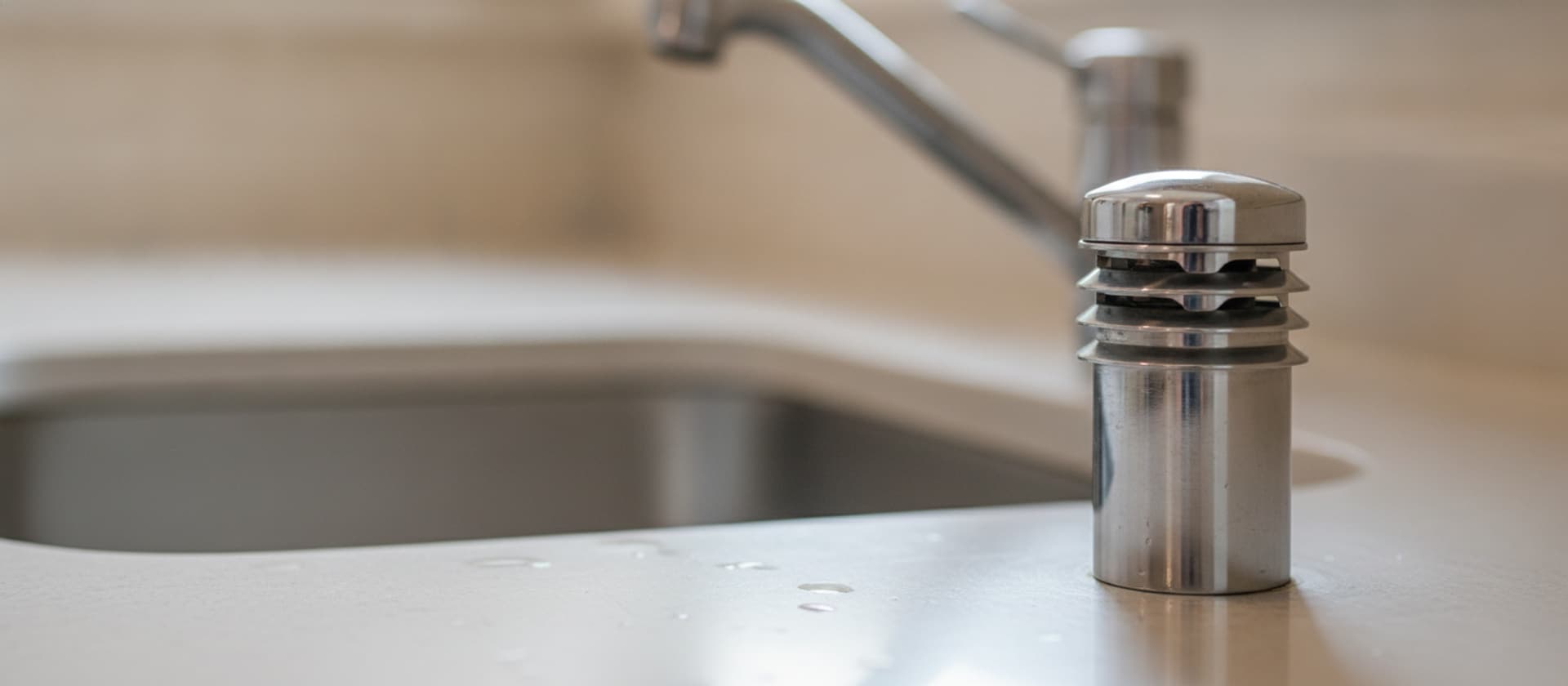
A dishwasher air gap is the small chrome or plastic cylinder that sits on your countertop or sink behind the faucet. It's a backflow protection: it puts a physical break of air in the drain line so dirty water from the sink or garbage disposer can never siphon back into your dishwasher and contaminate clean dishes. Most of the U.S. lets you skip it and use a "high loop" instead — but California is different. The California Plumbing Code (§807.3) requires an approved air-gap fitting on the discharge side of the dishwasher, so in Los Angeles the air gap is the code-compliant method, not an old-fashioned extra. If yours is spitting water onto the counter, that's usually a quick, safe clog clear. If you don't have one at all, it matters most at a home inspection, remodel, or dishwasher replacement. $89 residential diagnostic, waived with repair.
The LA reality: plenty of older Los Angeles homes drain through a high loop and work fine day-to-day — but the California code calls for the air gap. On any new install, permitted job, or pre-sale inspection, that's the moment to bring it to code. We can add one when we service or swap your dishwasher.
02 · What the California Plumbing Code says
CPC §807.3: an approved air-gap fitting, installed above the sink's flood level.
California adopts the Uniform Plumbing Code, and UPC/CPC Section 807.3 is explicit: no domestic dishwashing machine shall be directly connected to a drainage system or food-waste disposer without the use of an approved dishwasher air-gap fitting on the discharge side. That's the rule that makes the air gap mandatory here.
The code is specific about placement too: a listed air gap must be installed with its flood-level (FL) marking at or above the flood level of the sink or drainboard, whichever is higher. That height is what guarantees the air break actually works — if the fitting sat below the sink rim, a backed-up sink could reach it. So a compliant LA install isn't just "an air gap somewhere" — it's an approved fitting mounted at the right height.
Only a handful of states mandate the physical air gap this way — California, Washington, Minnesota, and Hawaii — under UPC 807.3. Everywhere that follows the International Residential Code instead accepts a high loop. That's why you'll read online that air gaps are "optional" or "outdated"; that advice is written for IRC states and doesn't apply in California.
03 · Air gap vs. high loop — and what "no air gap" means in LA
A high loop helps, but it isn't the California-approved answer.
A high loop is the alternative you'll see in most of the country: the dishwasher drain hose is strapped up high under the countertop before it drops down to the disposer, so backflow has to climb over that loop to reach the dishwasher. It genuinely reduces backflow risk, and many LA dishwashers are plumbed this way and drain perfectly well.
But under CPC §807.3 a high loop is not a compliant substitute for the air-gap fitting in California. So "I don't have an air gap" usually means one of two things: your home predates the current code, or the dishwasher was installed the IRC way with a high loop. Day-to-day, an existing high loop is usually fine and not a hazard. It becomes a real issue at these moments:
- Selling the home — a home inspector can flag a missing air gap.
- A permitted kitchen remodel — inspection will expect the code-required fitting.
- Replacing the dishwasher — a new install in LA should get an air gap to be code-compliant.
If any of those apply, that's the time to add one. A high loop is better than a hose dropped straight into the disposer — but if you want it right for California, the air gap is what the code specifies.
04 · Air gap spitting or gurgling? Clear it yourself first
A spitting air gap is almost always a downstream clog — a safe DIY.
When water bubbles up or sprays out the top of the air gap during a cycle, the fitting is doing its job — it's the pressure-relief point when something below it is blocked. The clog is downstream, and clearing it is safe and usually quick:
- Pop the cap. Twist off the chrome or plastic cover on the countertop, then unscrew the plastic cap underneath. Check inside the fitting for food debris and clean it out.
- Check the lower hose. The ridged hose from the air gap down to the disposer is the #1 clog spot — its corrugations catch grease and food. Pull it and flush or snake it clear.
- Check the disposer knockout plug. On a newly installed garbage disposer, the most common cause is the installer forgetting to knock out the plug inside the disposer's dishwasher inlet — the water has nowhere to go and backs up to the air gap. A screwdriver and a tap removes it.
- Run a short cycle and watch. If the spitting is gone, you're done.
Where to stop: the air gap, its hoses, and the disposer knockout plug are safe homeowner territory. If it still spits after all that, the clog is deeper — in the dishwasher drain hose or the drain pump — and that's a tech job. Don't run the dishwasher repeatedly while it's overflowing onto the counter.
05 · When it isn't the air gap
Same symptoms, different parts — where a tech takes over.
A clogged air gap looks a lot like other drain faults, so if clearing it doesn't help, the problem is elsewhere in the drain path:
Clogged drain hose
The main drain hose can clog anywhere along its run, not just at the air gap. If water isn't draining and the air gap is clear, this is the next suspect.
Failed drain pump
If the pump can't push water out, it backs up regardless of the air gap. A gauges-and-meter tech diagnosis.
Blocked disposer or sink drain
Because the dishwasher shares the disposer/drain, a clogged disposer or sink trap sends water back toward the dishwasher and out the air gap. Clear the disposer first.
If your dishwasher simply won't drain at all, our dishwasher not draining guide walks the full drain path, and if water is pooling on the floor rather than the counter, see dishwasher leaking water.
06 · When to call us
Air gap clear, still backing up? Or need one installed to code?
Two reasons to call: the air gap is clear but the dishwasher still won't drain or spits water, which points to the drain hose or pump; or you're replacing a dishwasher and want the air gap installed to California code. Our techs handle both — we clear the full drain path and install a code-compliant CPC §807.3 air-gap fitting at the correct flood-level height when we service or swap the unit.
More help: the dishwasher not draining and leaking water guides, plus brand drain pages like Whirlpool, Bosch, and GE not draining. Same-day across Los Angeles, Beverly Hills, and Pasadena in most cases. Book online or call (424) 325-0520.
07 · FAQ
Dishwasher air gap: common questions.
Is a dishwasher air gap required in California?
Yes. The California Plumbing Code (Section 807.3, adopted from the Uniform Plumbing Code) says no domestic dishwasher may be directly connected to the drainage system or a food-waste disposer without an approved dishwasher air-gap fitting on the discharge side. California is one of the states — along with Washington, Minnesota, and Hawaii — that mandate the physical air gap; many other states follow the International Residential Code and allow a 'high loop' instead. So in Los Angeles the air gap isn't optional or old-fashioned — it's the code-required method. The listed air gap must be installed with its flood-level (FL) marking at or above the flood level of the sink or drainboard, whichever is higher.
What does a dishwasher air gap actually do?
It prevents backflow — dirty water from the sink or garbage disposer siphoning back into your dishwasher and contaminating clean dishes. The air gap creates a physical break in the drain line: the dishwasher's drain hose runs up to the air-gap fitting on the countertop, and a second hose carries the water back down to the disposer or drain. Because there's an open gap of air in that path, contaminated sink water can never be pulled back up into the dishwasher, no matter what happens downstream. That's the whole reason the plumbing code cares about it — it's a cross-connection / public-health protection, not just a drainage detail.
I don't have an air gap on my LA dishwasher — what does that mean?
It means your setup likely predates the current code or was installed with a high loop instead, which is common on older LA homes and on dishwashers plumbers installed the 'IRC way.' Practically, an existing high loop usually still drains fine and isn't dangerous day to day. But under the California Plumbing Code an air gap is what's required, so it can come up at a home inspection, a permitted remodel, or a dishwasher replacement — and a new install in LA should get an air gap to be code-compliant. If you're replacing a dishwasher or selling the home, that's the moment to add one. We can install the air gap when we service or swap the unit.
Water is spitting out of the air gap onto my counter — how do I fix it?
That's the classic clogged-air-gap symptom, and it's usually a quick, safe DIY. Water backs up and spits out the top because something downstream of the air gap is blocked — most often the ridged hose between the air gap and the disposer, or debris inside the air-gap cap itself. Pop off the chrome or plastic cap, unscrew the inner cover, and check the fitting for gunk; then check the lower hose for a clog. The single most common cause on a brand-new disposer is that the installer forgot to knock out the dishwasher plug inside the disposer inlet — the water has nowhere to go and backs up to the air gap. If clearing the air gap and hose doesn't fix it, the drain hose or pump is the next suspect and it's time for a tech.
Can I use a high loop instead of an air gap in Los Angeles?
Not as a code substitute. A high loop — strapping the dishwasher drain hose up under the countertop before it runs down to the disposer — is the accepted method in International Residential Code states, and it does help prevent backflow. But the California Plumbing Code §807.3 specifically requires an approved air-gap fitting, so a high loop alone is not a compliant replacement for the air gap in California. Plenty of LA homes have a high loop and drain fine, but if you want it done to code — especially on a new install, a permitted job, or before a sale — the air gap is what the code calls for. A high loop is better than nothing, but it isn't the CA-approved answer.
Air gap spitting, or need one installed to California code?
$89 diagnostic waived with repair. Same-day across LA, OC, Ventura. Phones answered 24/7.